Introduction: A preheater manual earns its place when it turns a box of parts into a readable setup path covering package items, zone labels, software entries, and certification marks.
Opening a four-zone preheating platform for the first time raises the same handful of questions for almost everyone: which part is which, what the four zones actually control, where the software comes from, and what the marks on the back panel are telling you. A manufacturer's manual is the document that answers those questions, and it answers them in a fixed order. What follows maps how a PCB preheater manufacturer normally writes that document — package items, zone wording, marks, and download entries — so a reader knows what to expect from the paperwork before the first board goes onto the platform.
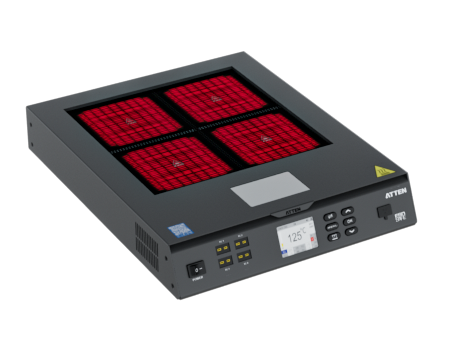
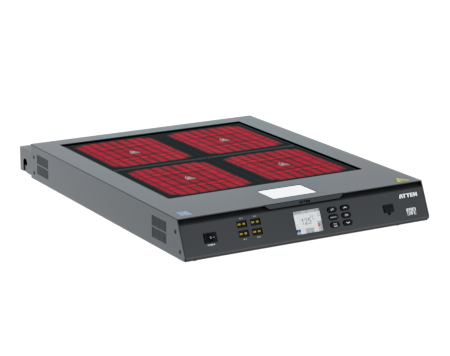
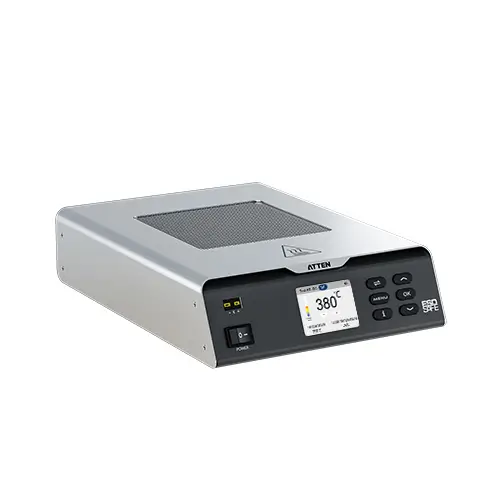
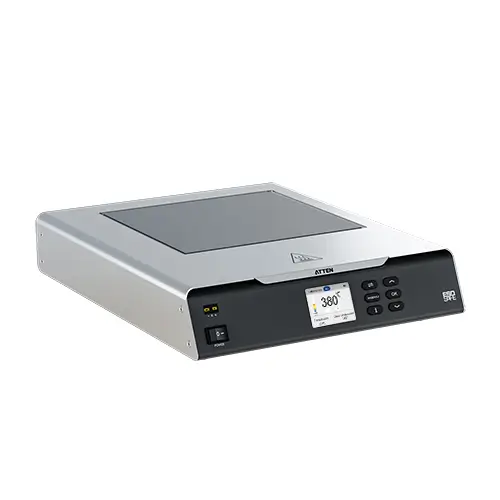
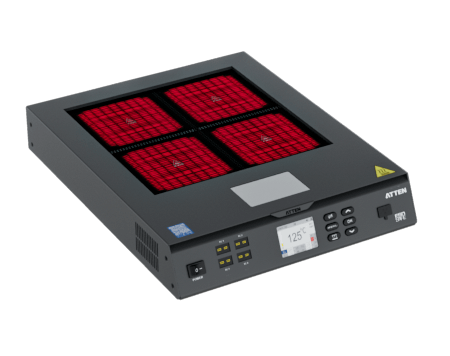
A preheater manual identifies before it instructs. The opening pages typically name the parts, show the layout of the control panel and the heating zones, walk through the first power-up, point to the software, and only after that move into the marks and compliance pages at the back. The order is deliberate: a reader who can put a name to each item in the box can follow a procedure, while a reader who cannot will stall on the first step. That is also why a parts list carries quantities rather than vague descriptions — four sensors, one grounding wire, one power cord. The count is what makes the listing useful. This front-loaded identification is the manufacturer's responsibility rather than the reader's guesswork. A preheater ships as a configured package, and the maker is the party who knows which model the manual covers, how many zones the platform has, which accessories come as standard, and which software version matches the control board inside. On the ATTEN ST-7242, the documented package runs to a main unit, four K-type thermocouple test sensors, a grounding wire, a certificate, a user manual, and a power cord. A reader comparing the box against that list has already done most of the setup reasoning, which is exactly what good documentation is supposed to save them from.
Package items and zone wording occupy the same stretch of a preheater manual because together they answer one question: what does this machine consist of, and which part of it heats what? The parts section lists what ships; the zone section explains how the platform divides its heating area and how those divisions are switched. Read together, they let someone plan a first run instead of pressing buttons and watching what happens.
• Main unit. The main-unit entry describes the platform itself and fixes zone numbering, so a reader can look at the chassis and know which area is zone one and which is zone four before any setting is touched.
• K-type thermocouple test sensors. Four of these ship with the ST-7242, and the sensor entry normally explains where each one connects; a set of four is what lets a reader watch several points across a board rather than trusting a single reading.
• Grounding wire. It appears as its own line item because it is a separate connection rather than a built-in feature, and the description tells the reader what the wire links the platform to at the bench.
• Four-zone description. This wording names four switchable independent working zones and covers independent and combined operation, so the reader understands that a zone can run alone or that several zones can heat one board together.
The zone language is worth reading twice, because combined operation is often misunderstood. Running several zones at once does not mean running hotter; it means covering a wider heated area so a larger board sees even support from underneath. Set values still come from the process and from what the thermocouples report on the board itself, and ratings such as power and temperature ceiling are configuration figures the manufacturer supplies alongside the unit.
When CE or ETL appears on a preheater, each mark carries a general meaning worth knowing. The CE mark is the manufacturer's declaration that the product meets the applicable European Union requirements, and the maker who affixes it takes responsibility for that claim. The ETL Listed mark means a product has been tested and certified by Intertek to the relevant North American safety standards. Both describe the electrical design of the equipment standing on the bench, which is precisely the kind of information that belongs beside the parts list rather than in a separate envelope nobody keeps. Download entries do a similar job for the documents themselves. A shared ST-7322 & ST-7242 user manual and the Atten Tool V2.4 software are both available as download entries for the ST-7242, and the pairing is normal rather than confusing. One manual covering two four-zone models makes sense when the control layout is shared, and the reader simply checks the cover to confirm which models the pages address. Downloading also gets the current version rather than a printed copy that has traveled in a box for a year. The software sits next to the manual because the two work as a pair: the manual explains the settings, and the software is where those settings are stored and repeated. Put together, marks and download entries form the manufacturer's paper trail. A mark says an outside body has reviewed the electrical design; a software entry says where the current instructions live. A preheater supplier can describe a configuration in a quote, but the manual is what an operator actually follows at the bench, and both of these elements exist to make that follow-through straightforward rather than a phone call.
A preheater manual becomes much easier to read once you know its shape: identification first, then package items and zone wording, then marks and download entries. Expect the parts list to be specific about counts, expect zone language to separate independent operation from combined operation, and expect mark pages to describe electrical design rather than heating performance. The ATTEN ST-7242 package documents six items — main unit, four K-type thermocouple test sensors, grounding wire, certificate, user manual, and power cord — while the download area pairs a shared model manual with Atten Tool V2.4. Anyone who wants to see that shape in practice can start from the product information and work outward.
A: It should name every shipped item with a count, so the reader can match the box against the listing before powering anything on. For the ST-7242, that means a main unit, four K-type thermocouple test sensors, a grounding wire, a certificate, a user manual, and a power cord. The practical value is that a missing sensor or a loose power cord shows up in the first minute rather than halfway through a job.
A: Manuals tend to describe the heating area as four switchable independent working zones and then set out two modes: independent operation, where one zone runs on its own, and combined operation, where several zones heat one board together. The wording concerns which areas are active, not temperature values, which come from the process and from thermocouple readings taken on the board.
A: CE is the manufacturer's declaration that the product meets applicable European Union requirements, with the maker taking responsibility for that claim. ETL Listed means the product has been tested and certified by Intertek to the relevant North American safety standards. Both speak to electrical design and compliance rather than heating performance, so read them alongside the ratings the manufacturer publishes.
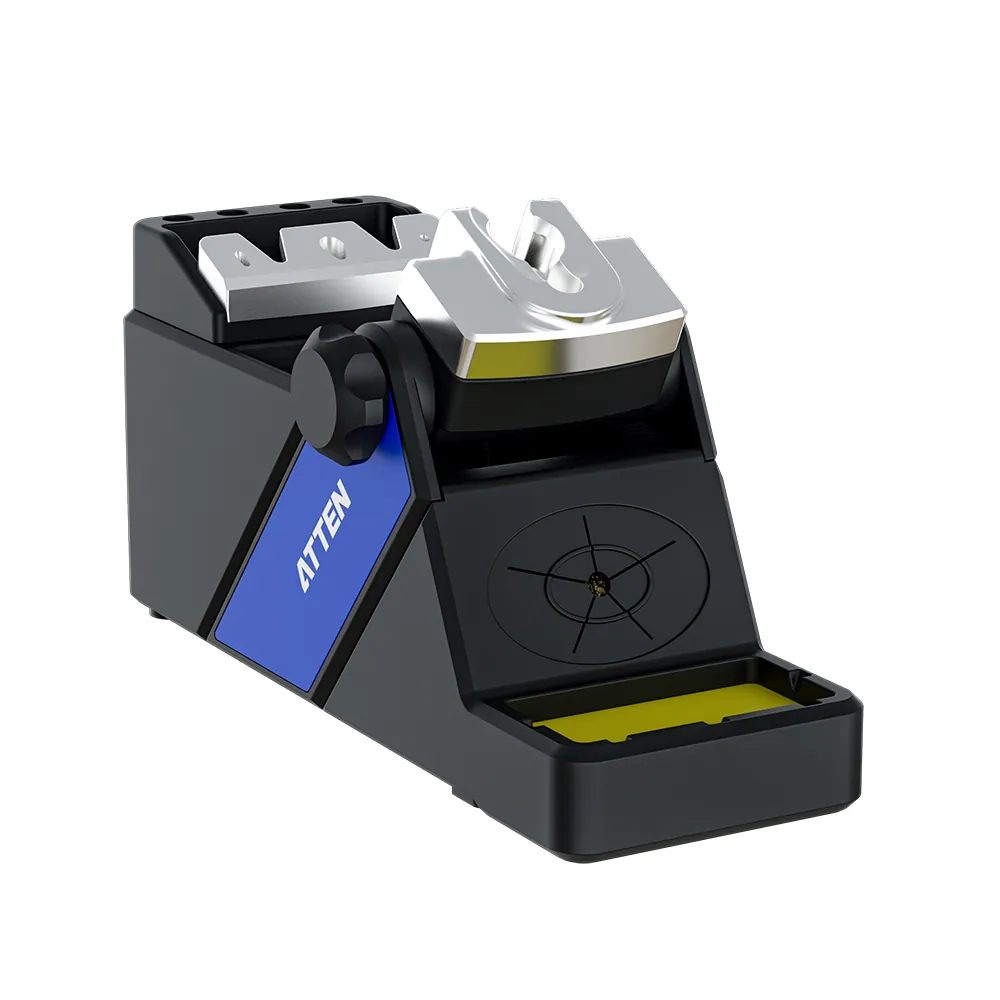
ATTEN ST-7242 Four-Zone Preheater

Copyright © 2025 SHENZHEN ATTEN TECHNOLOGY CO., LTD All Reserved.