Introduction: Heavy-duty soldering stations exist because some joints hold far more copper than others, and that difference changes what a bench tool has to do.
A ground pad connected to a wide copper plane can absorb heat almost as fast as a small iron delivers it, so solder sits dull and slow instead of flowing. That single behavior explains most of the gap between an ordinary temperature-controlled station and a heavy-duty high-power intelligent one. Understanding heavy-duty as a response to thermal mass, rather than as a list of numbers, makes it much easier to tell which bench tool actually belongs on a job with large ground pads.
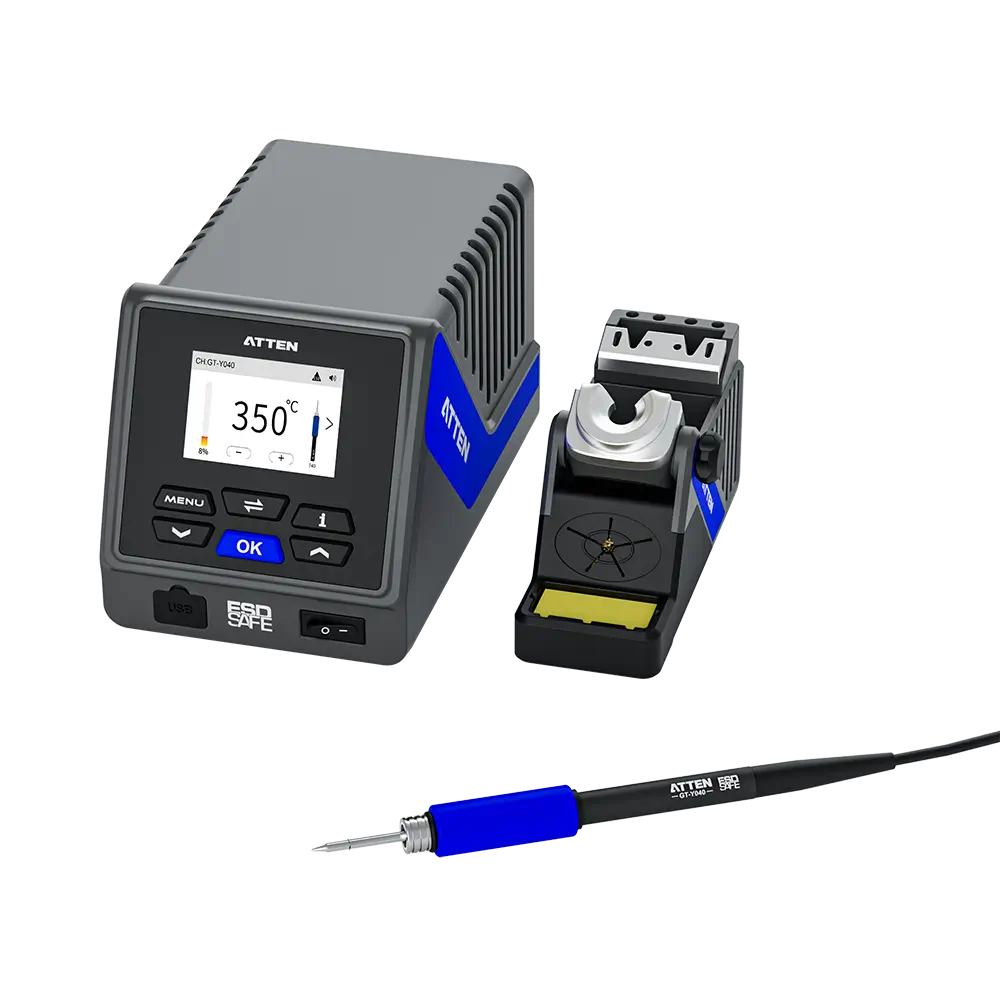
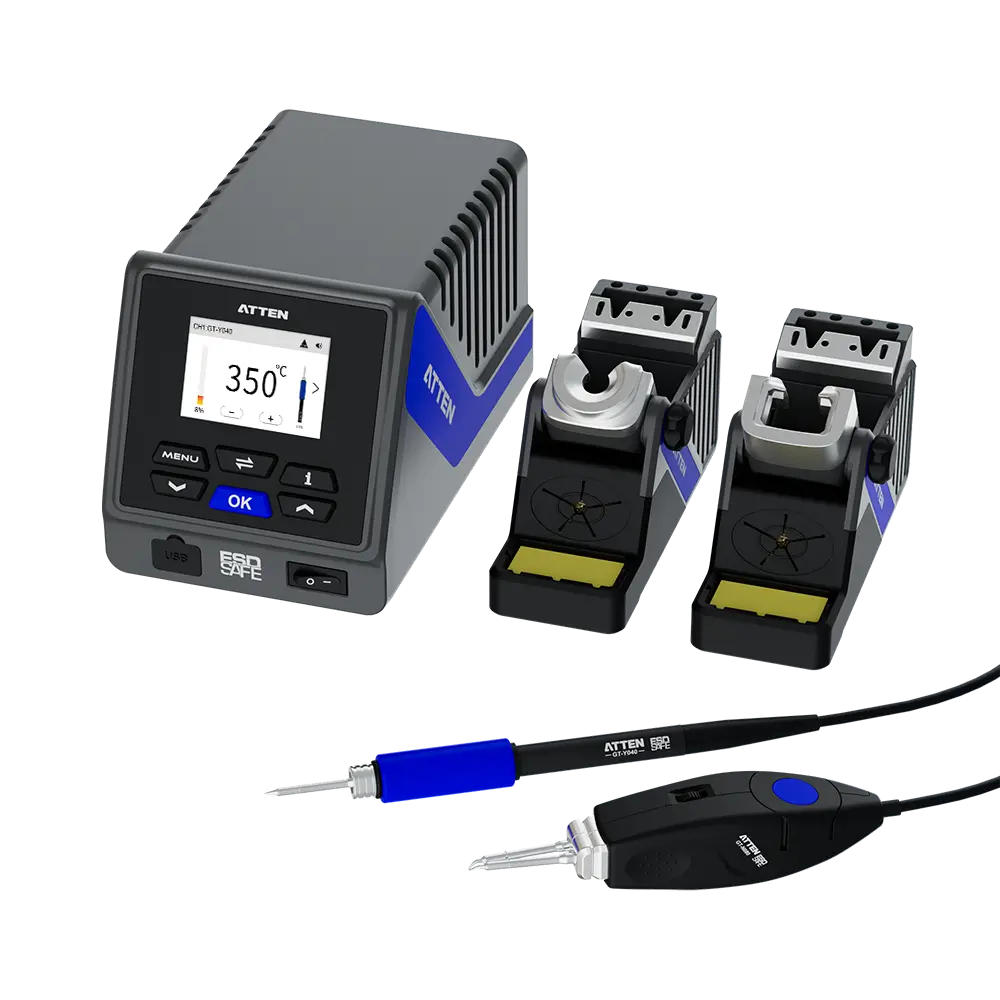
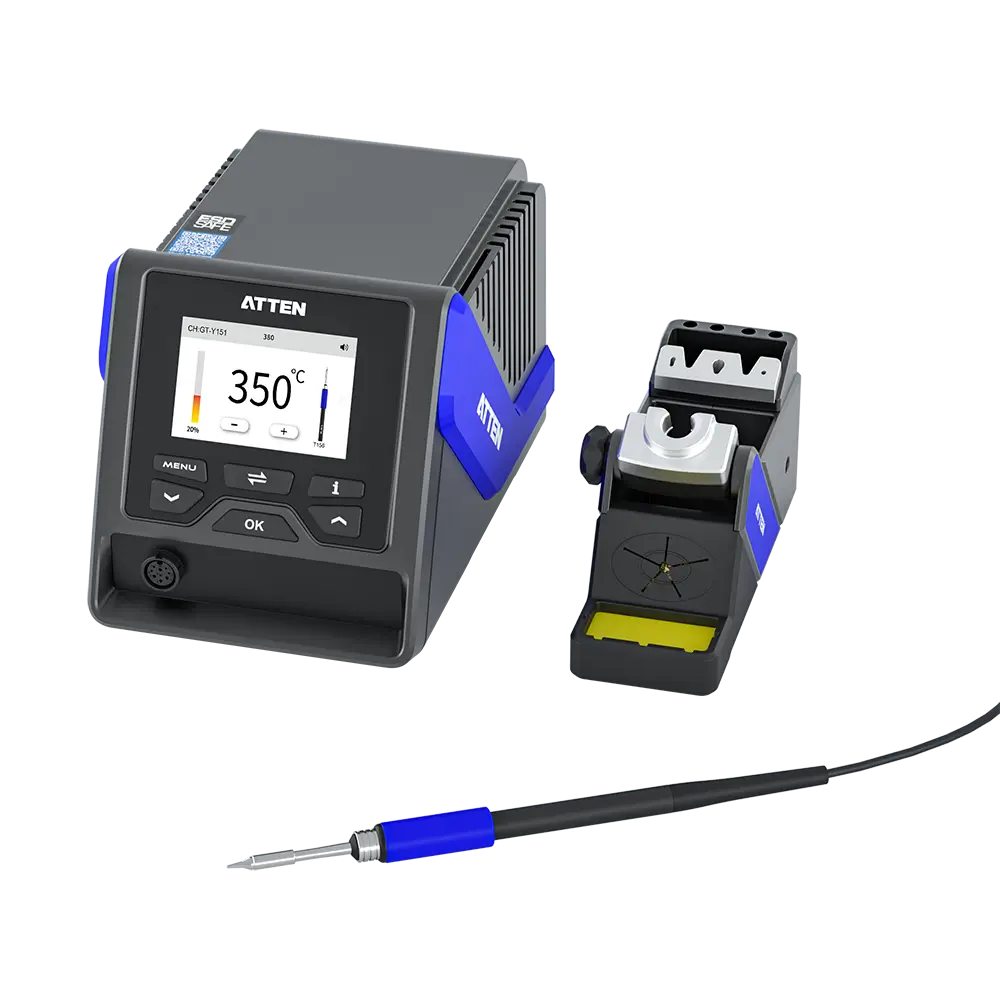
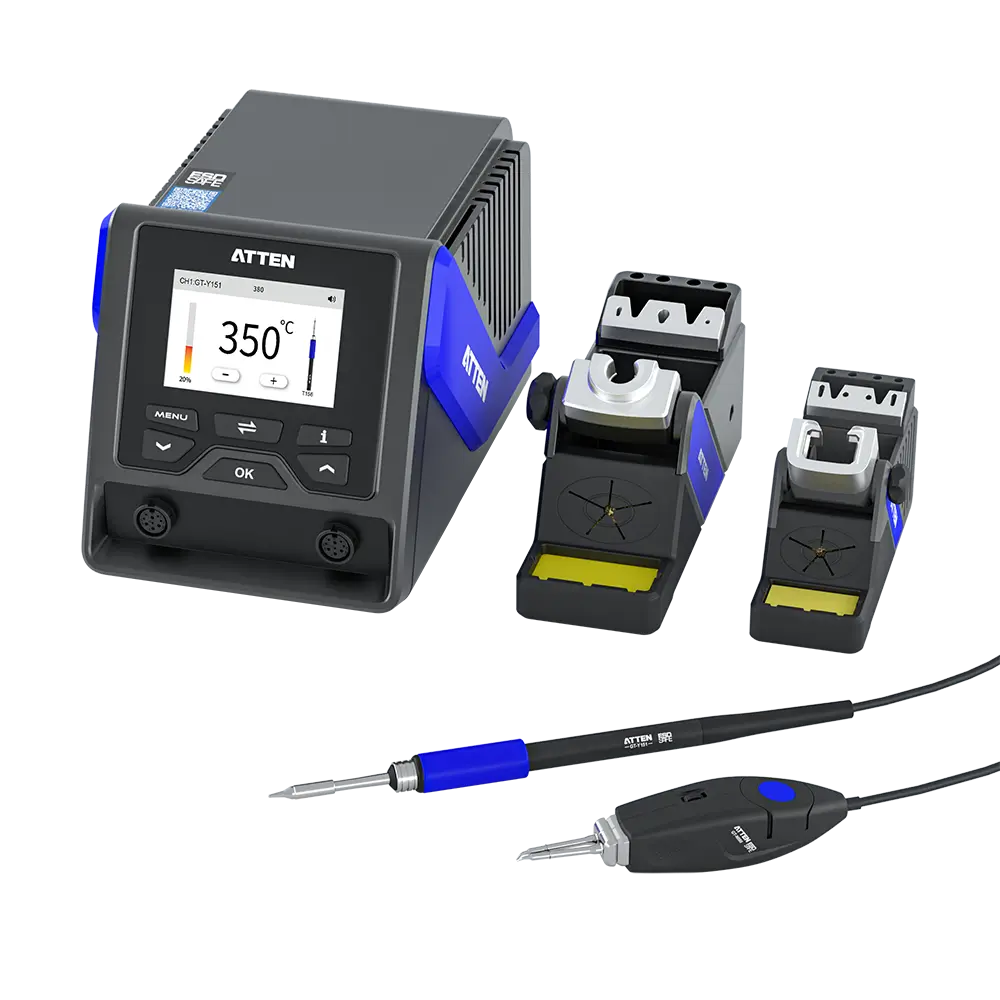
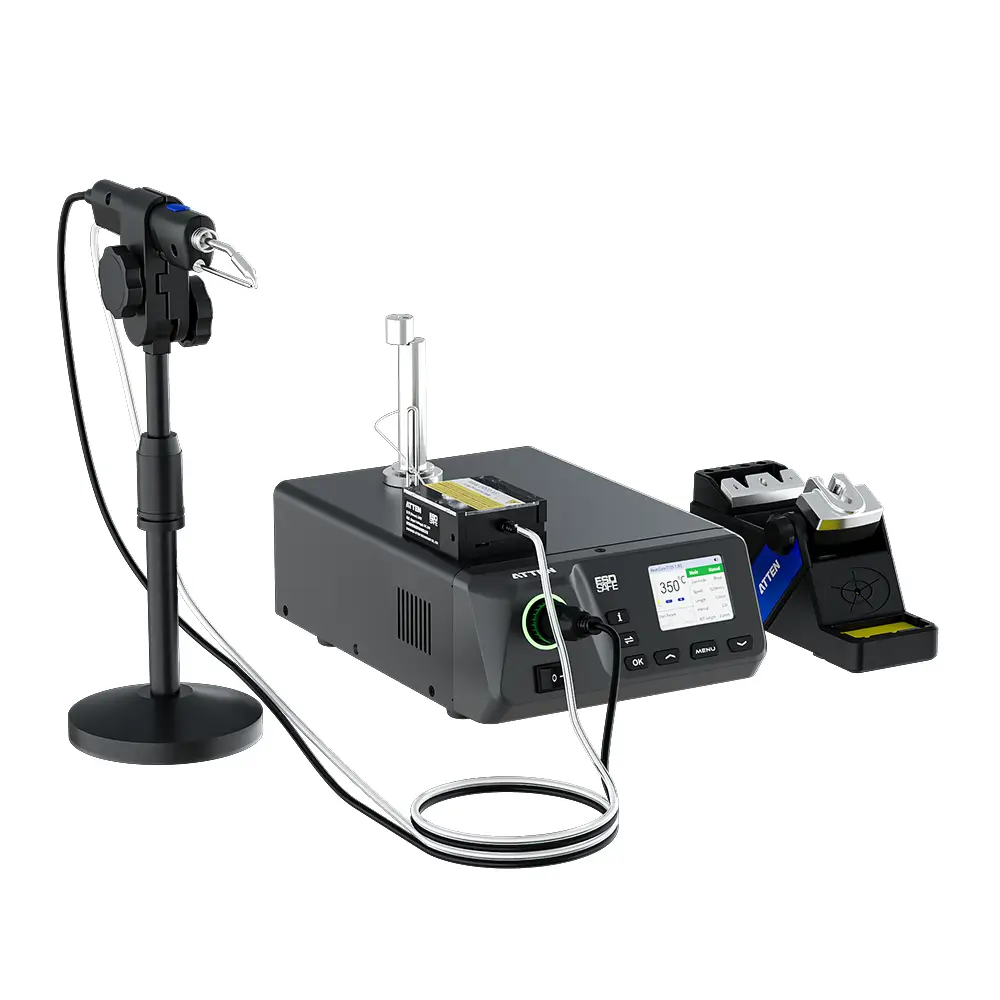
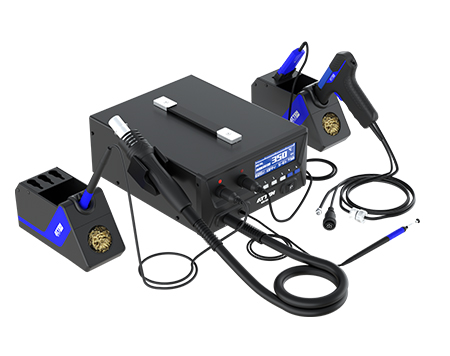
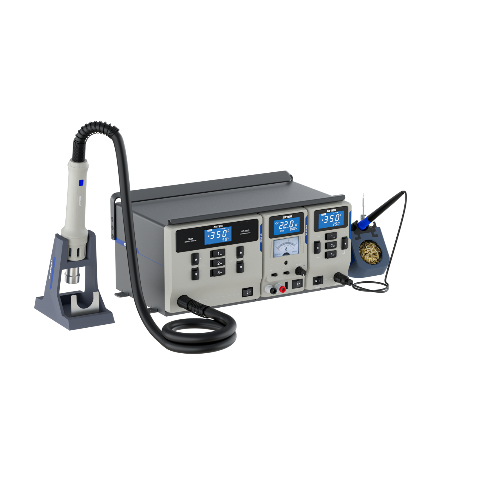
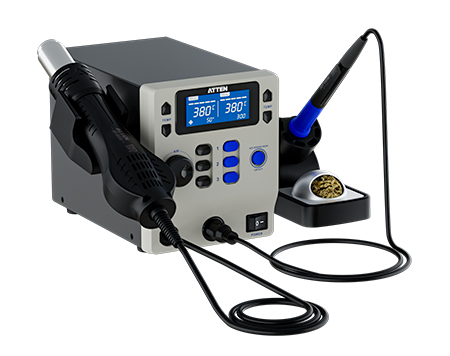
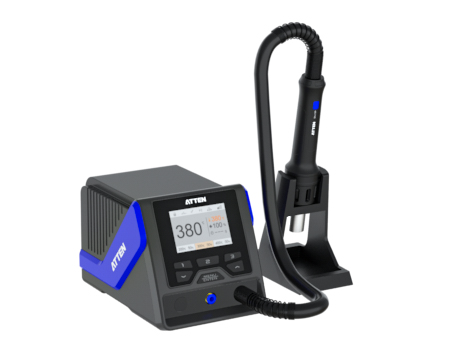
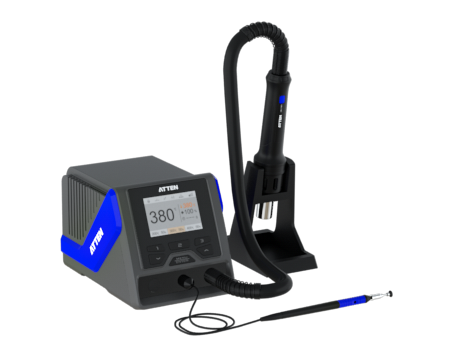
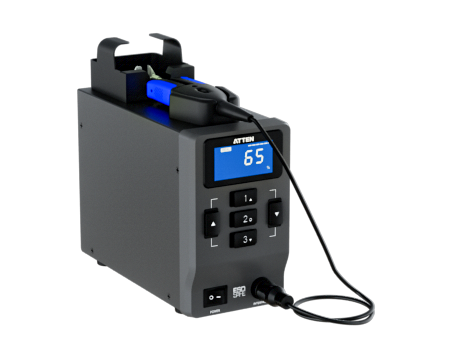
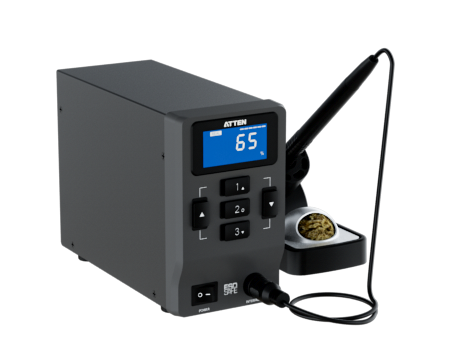
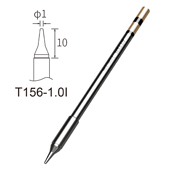
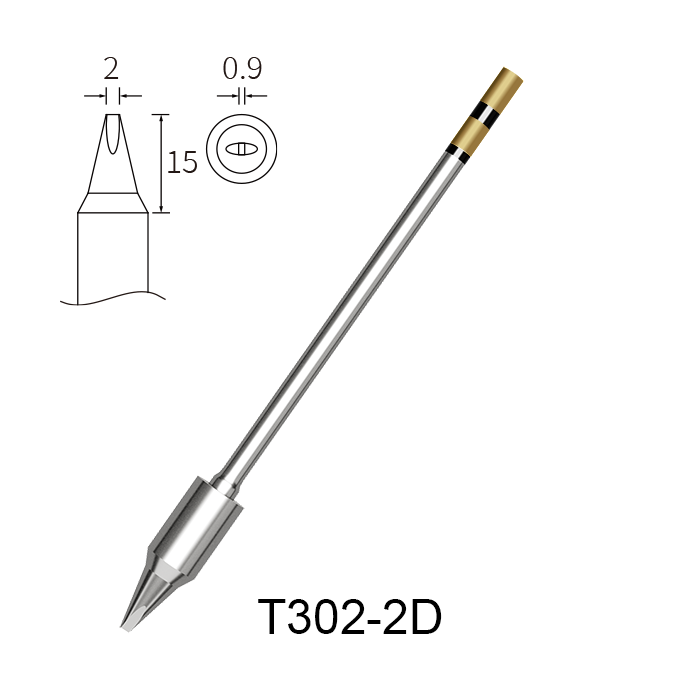
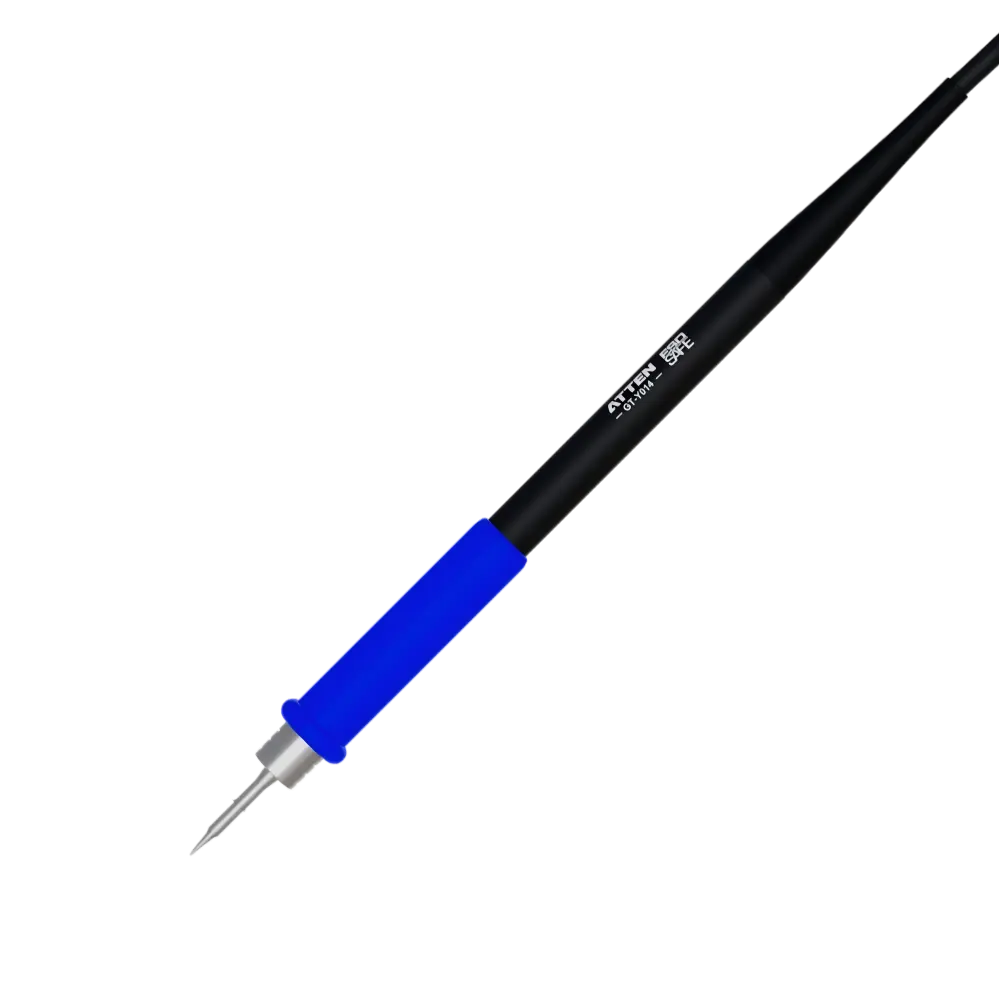
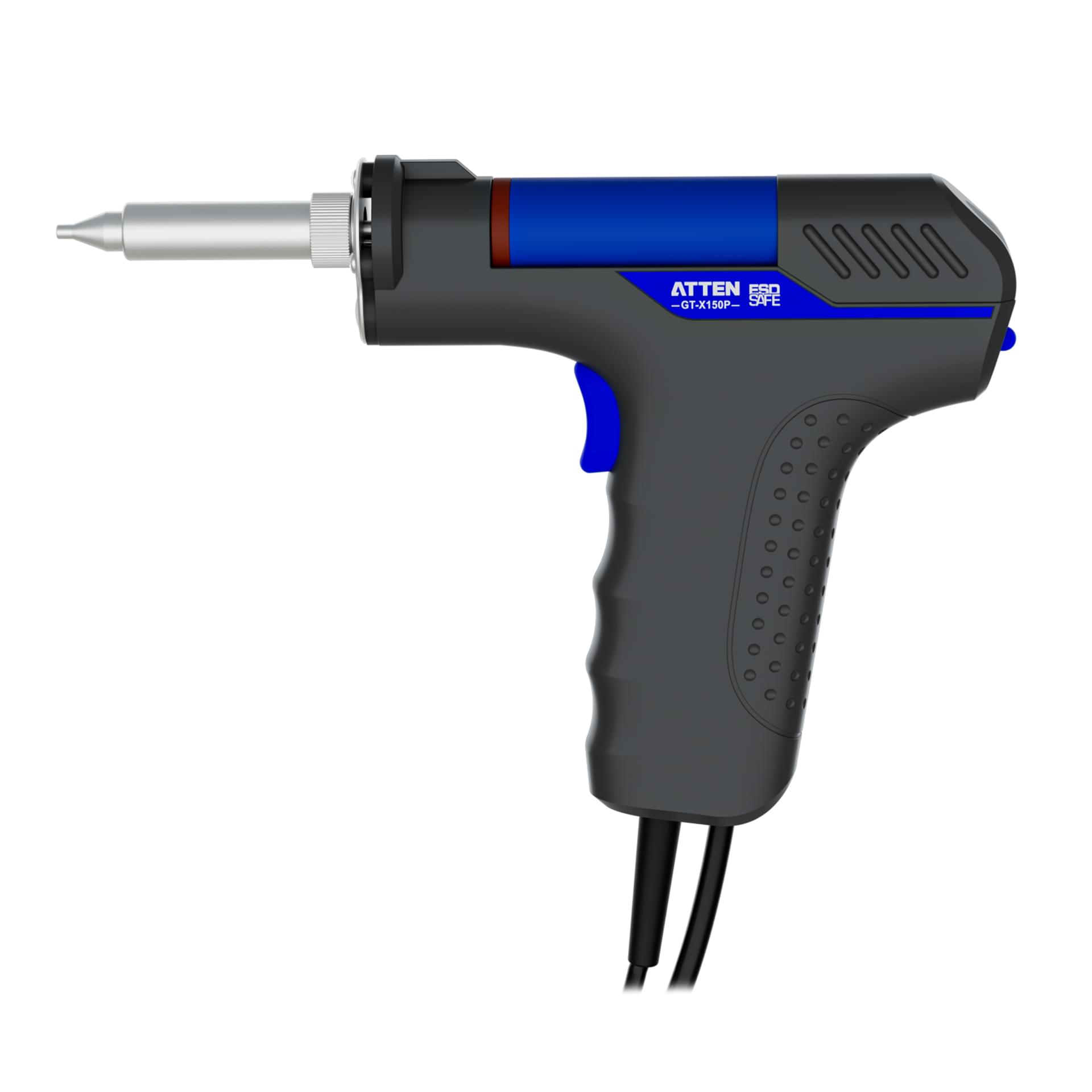
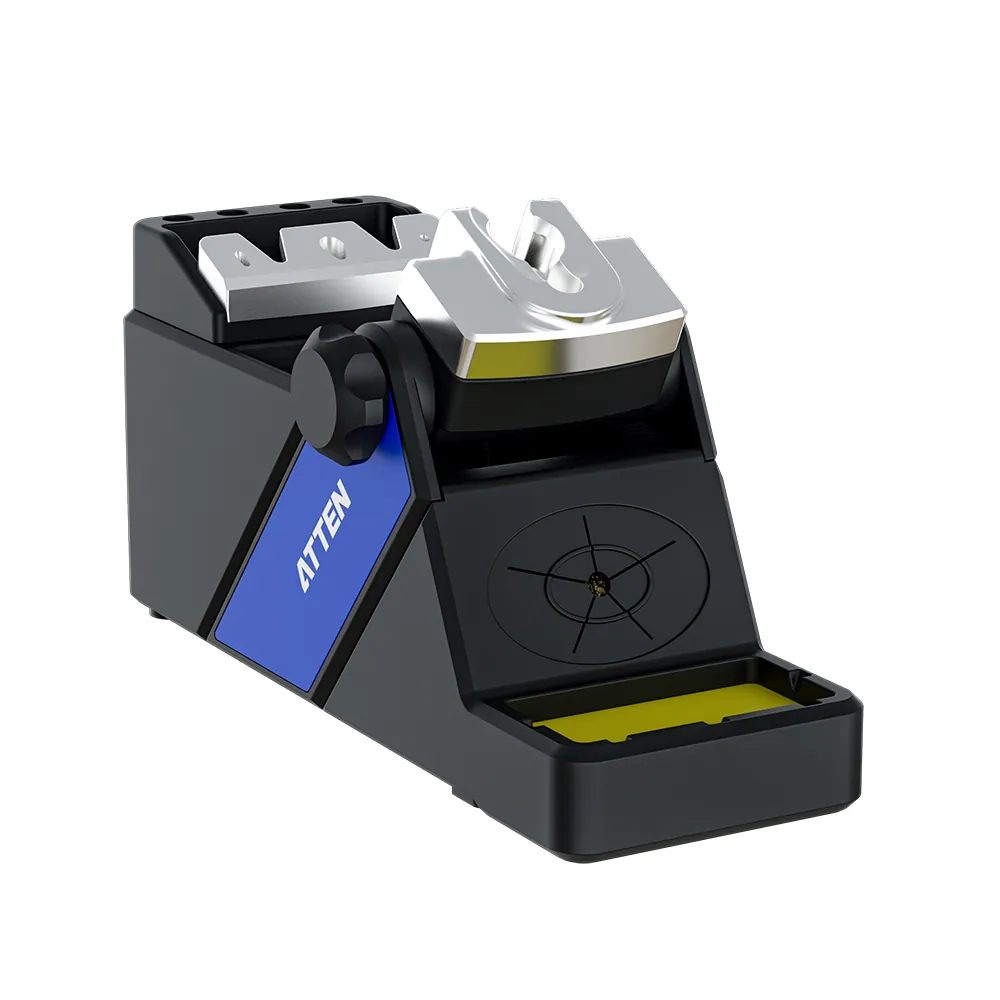
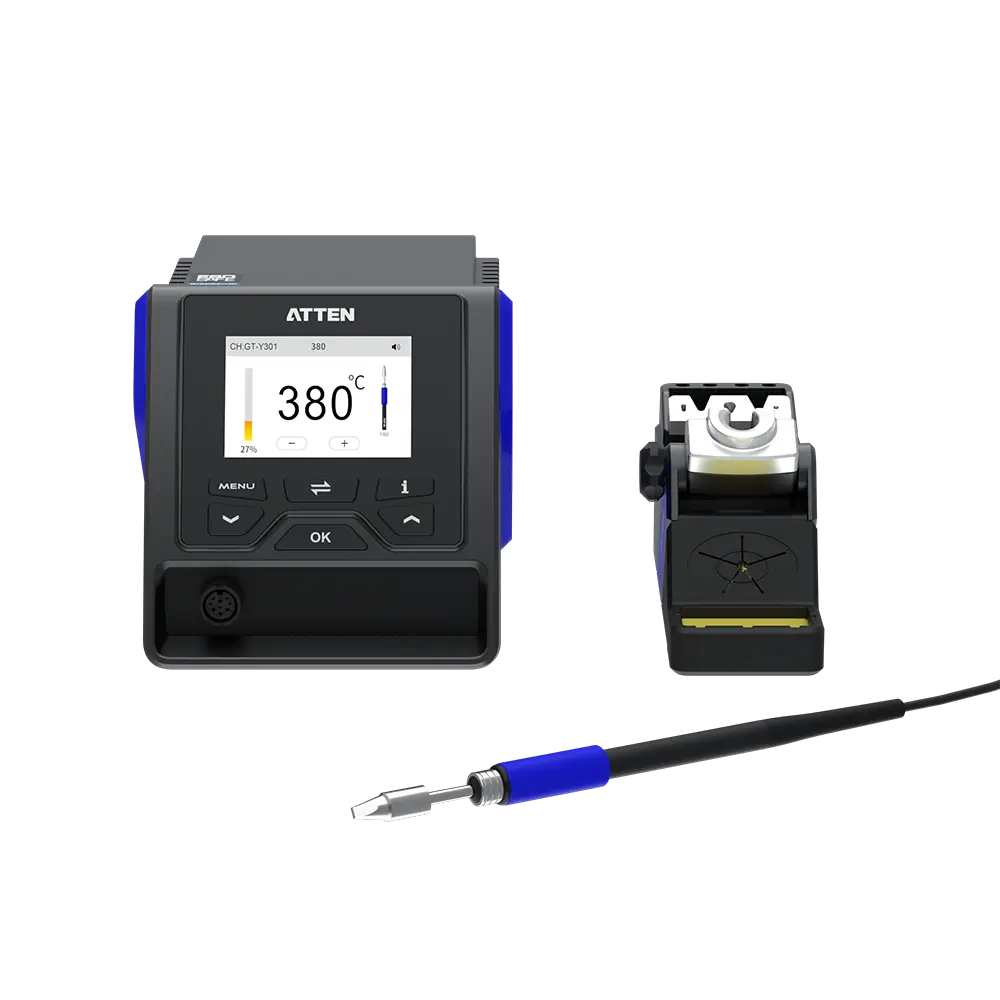
Heavy-duty is a statement about heat supply, not about physical size or price tier. In soldering station categories, it marks equipment built to keep feeding heat into a joint that keeps pulling heat away, and to do it repeatedly rather than once. A standard temperature-controlled station is a closed loop: the sensor reads the tip, the control circuit adjusts the heater, and the tip returns to the set temperature. That loop is perfectly adequate when a joint needs a small amount of energy, such as a thin trace, a small SMD pad, or a short lead. It becomes the wrong tool when the joint's appetite for heat is larger than the loop can satisfy. The category ladder runs from a fixed-temperature iron, to a temperature-controlled station, to an intelligent station, and finally to a heavy-duty high-power intelligent station. Each step adds something specific. Control adds a setpoint. Intelligence adds a display and a control strategy that reacts to what the sensing circuit reports. Heavy-duty adds the heat supply and recovery behavior needed for joints with a lot of metal attached to them. When a product carries all three words in its name, those words map to three separate engineering concerns, which is why the phrase is more descriptive than it first sounds. The ATTEN GT-6300 is a useful naming example. It is described as a heavy-duty high-power intelligent soldering station, and it ships as a single-channel main unit with a TFT large screen graphic display, a GT series handle, a soldering iron stand, and a grounding wire, and it supports T156 and T302 series tips along with the GT-Y301 handle and the S-28 stand. It is positioned for professional manual soldering workstations and for large thermal capacity electronic components. Every element supports one idea: sustained heat delivery into a joint that keeps draining it.
A ground pad is rarely just a pad. It usually connects to a copper plane, a ground polygon, or several layers stitched together with vias, and that whole structure behaves like a heat sink attached to the exact point you are trying to heat. The moment the tip touches the joint, heat flows out of the tip and into the copper, and it keeps flowing as long as a temperature difference exists. In a workshop, this shows up as solder that refuses to wet smoothly, a joint that stays paste-like, and a dwell time that keeps stretching. The tip reads hot while the joint does not. Wetting depends on the joint reaching a temperature above the solder's melting range, and on that temperature arriving fast enough that flux is still active. When copper keeps draining energy, both conditions get harder to meet at the same time, and the iron can show a healthy number on its own display while the actual work surface sits well below it. NASA workmanship guidance for surface mount technology treats high-thermal-mass manual soldering and thermal profile control as a distinct problem for exactly this reason.
An ordinary low-power station is not defective. It is simply sized for a different job, and holding a small joint at temperature is what it was built to do. Faced with a large ground pad, the heater output falls behind the draw, the tip temperature dips, and the recovery loop has to climb out of a deficit that keeps growing while the operator holds the iron in place. The usual human response is to press harder and wait longer, which puts more mechanical force on the pad and keeps the joint hot for longer than the board would prefer. Heavy-duty stations answer this with more available heat and faster compensation, so the tip returns to its working range instead of slowly sagging. IEC 61188-1-2 addresses industrial requirements for soldered electrical connections in assembled boards, and the practical implication for bench work is straightforward: the connection has to form under conditions the materials can tolerate. A station that reaches working temperature quickly and then holds it gives the operator a shorter, more predictable window.
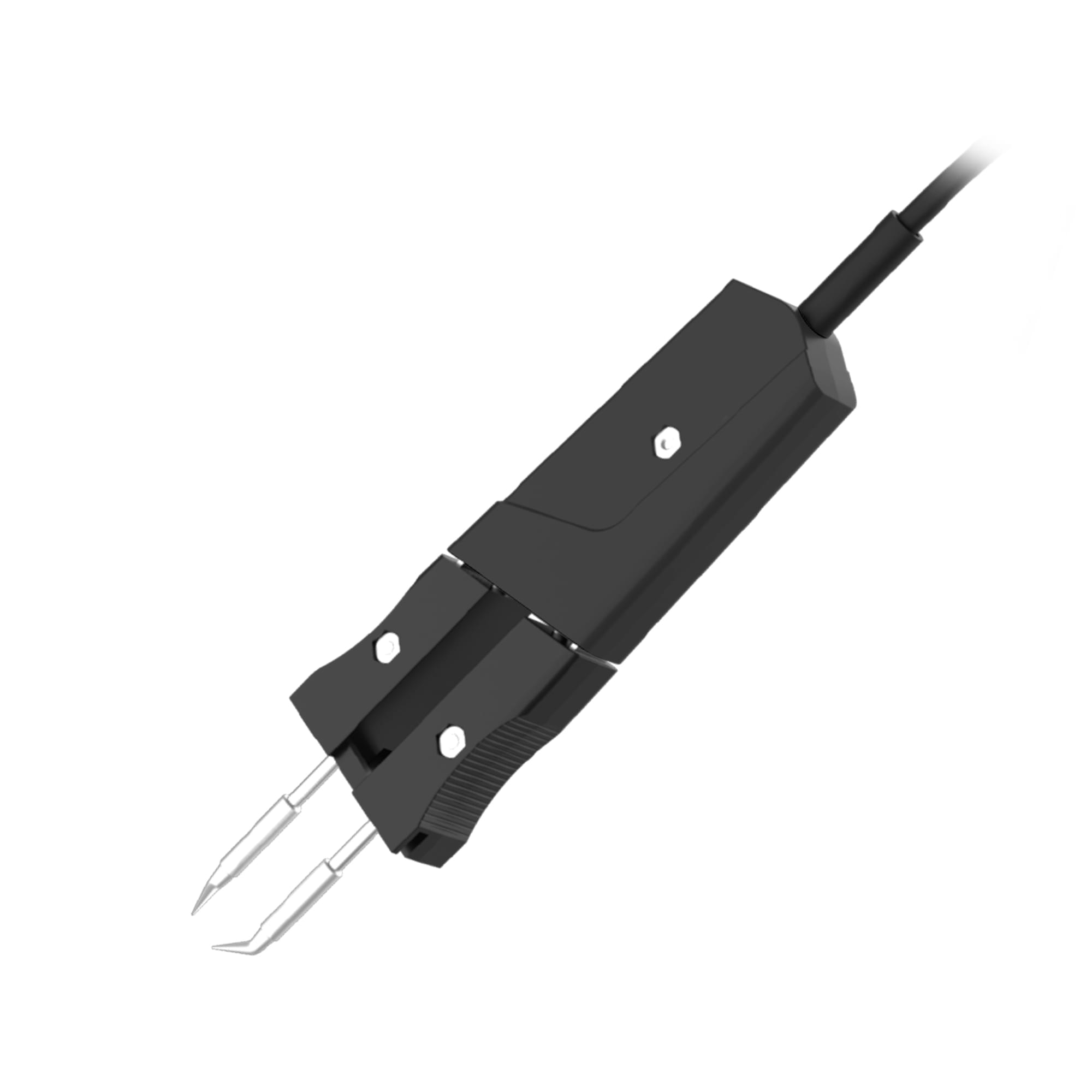
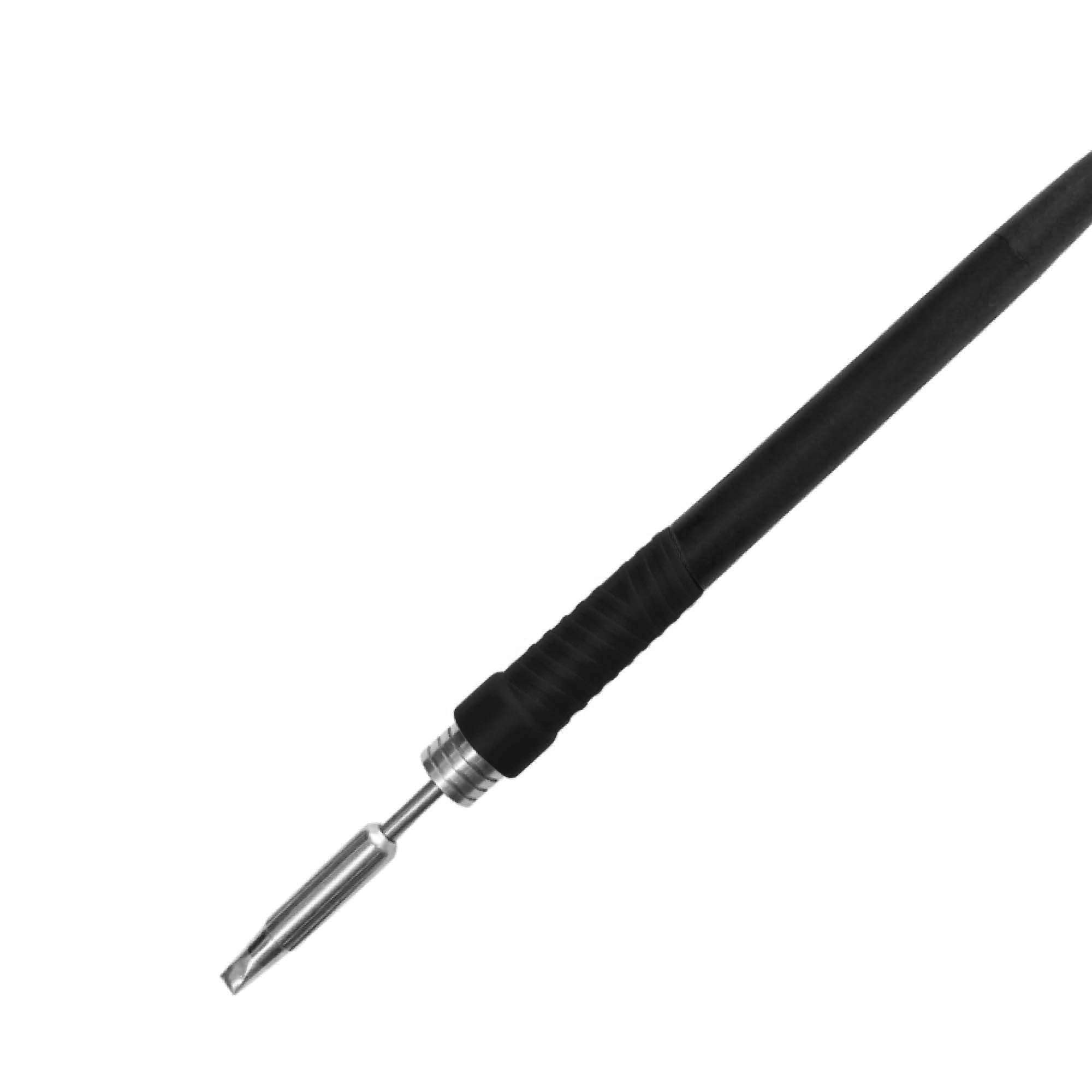
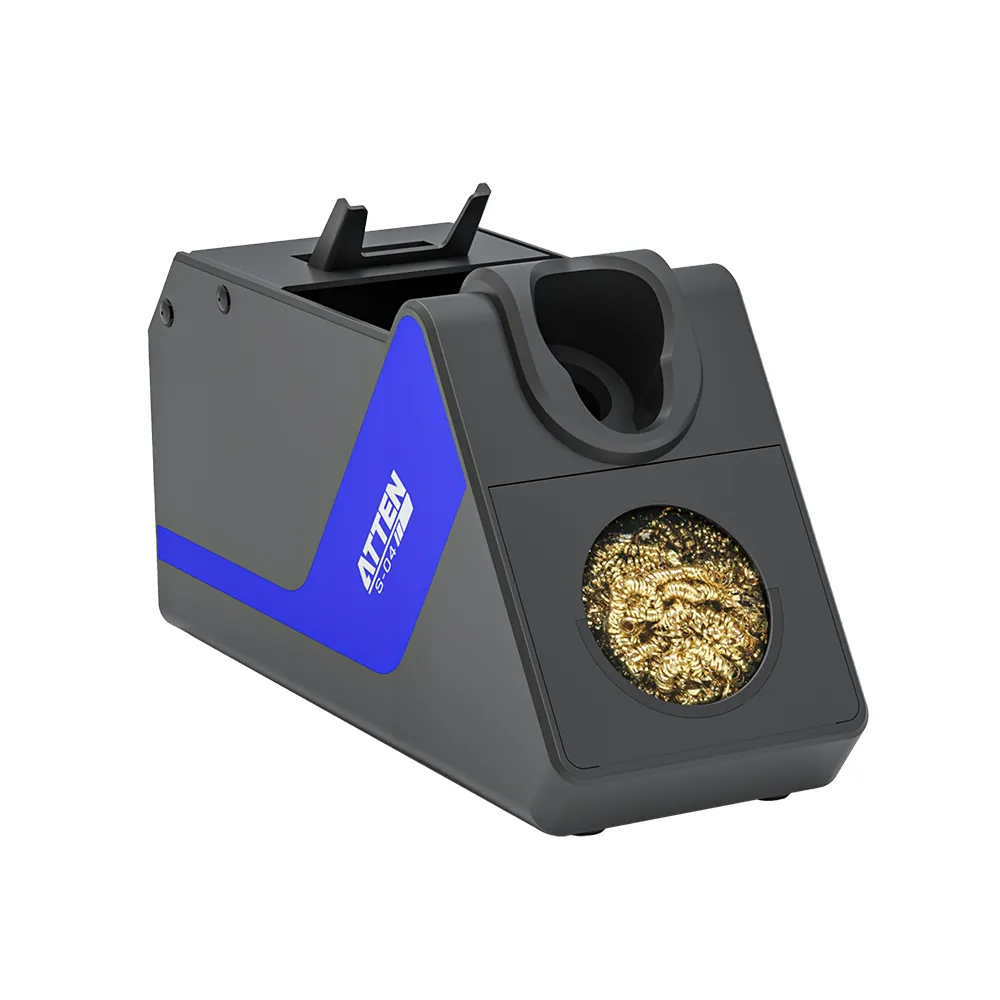
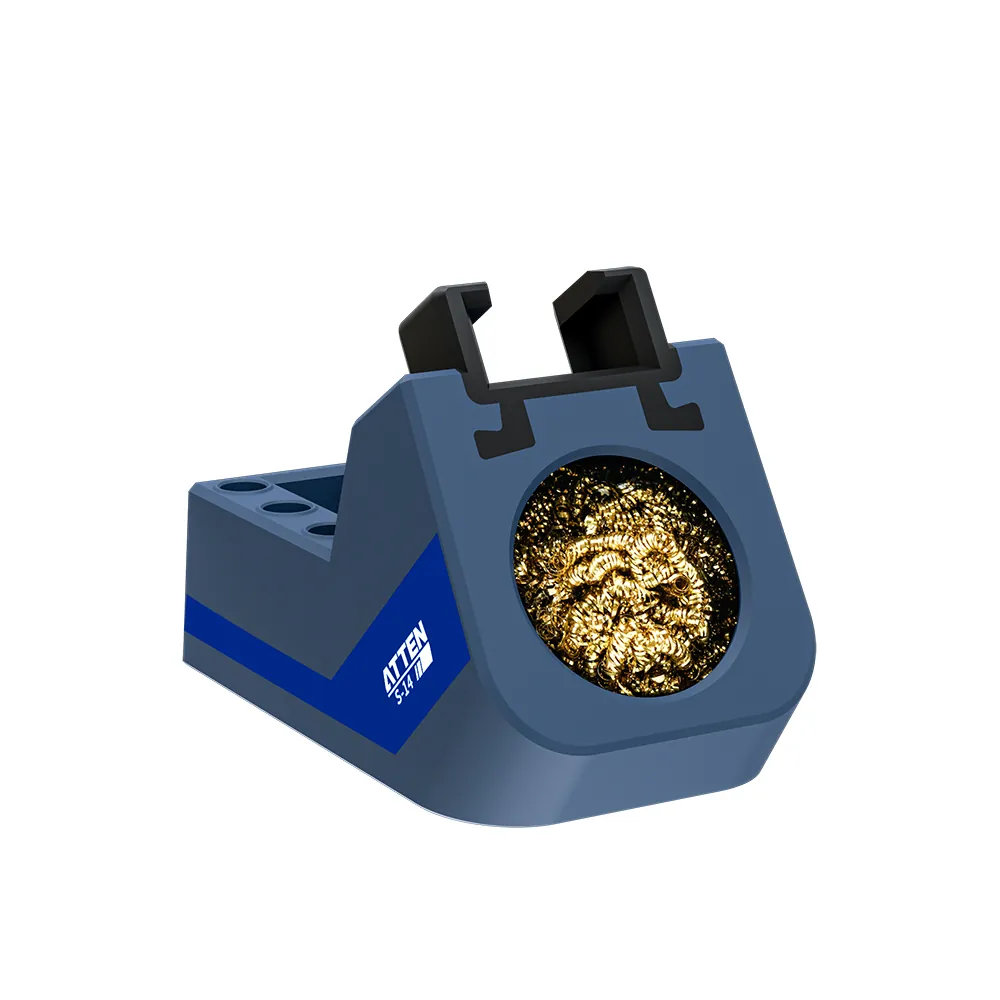
The clearest marker is the official category description. Around that label, several functional clues usually appear together. The station is built around heat compensation rather than a fixed heater setting, so the display and the control strategy show what is happening as the load changes instead of only showing a setpoint. The tip ecosystem matters too, because a heavy joint needs a tip that can carry energy into it. Tip series such as T156 and T302 exist in that role, and a handle like the GT-Y301 paired with an S-28 stand keeps the working end stable and repeatable. Bench configuration tells you a great deal as well. A heavy-duty station is normally a bench tool rather than a portable one, and a single-channel main unit suits a dedicated workstation where one operator handles one joint at a time. Accessories confirm the intent: a soldering iron stand, a grounding wire for bench static control, and a graphic display that lets the operator read status at a glance rather than decode a few digits. The ATTEN GT-6300 fits that pattern, with a single-channel main unit, a TFT large screen graphic display, a GT series handle, a stand, a grounding wire, and support for the T156 and T302 tip series. Because published detail varies between soldering station manufacturers, the category label plus the accessory ecosystem is the most reliable first signal when comparing stations side by side. Electrical figures such as wattage, temperature range, warm-up time, and recovery time sit in the manual rather than in the headline description for this model, so a fair comparison starts with the confirmed positioning and then moves to the documentation for the numbers.
Heavy-duty is best understood as an answer to a physical question rather than a shelf label. Large ground pads and other high thermal mass joints pull heat away faster than a small heater can replace it, and a station that cannot keep up produces slow wetting, long dwell times, and unpredictable results. Heavy-duty high-power intelligent stations address that by combining a larger heat supply, faster compensation, a graphic interface that shows what the control loop is doing, and a tip and handle ecosystem sized for the job. The ATTEN GT-6300 is one example of the category, positioned for professional manual soldering workstations and large thermal capacity components.
A: Heavy-duty describes heat supply and recovery, not size or price. A heavy-duty station is built to keep delivering energy into a joint that drains heat quickly, such as a large ground pad connected to copper planes, and to return to its working temperature after that load instead of sagging. Official category positioning, heat compensation behavior, a tip series that can carry energy into heavy joints, and a bench-oriented configuration are the practical markers that separate the category from a standard station.
A: A large ground pad is thermally connected to a lot of copper, so it acts like a heat sink attached to the joint. Heat leaves the tip almost as fast as it arrives, the joint stays below the temperature where solder wets properly, and the operator ends up holding the iron in place longer than the board would like. A high power intelligent station supplies more heat and compensates faster, while the display makes it easier to see what the control loop is doing as the load changes.
A: An ordinary iron or low-power station is sized for small joints such as thin traces, small pads, and short leads, and it holds a setpoint well when the joint needs little energy. A heavy-duty station is aimed at joints with large thermal mass, where the demand keeps growing while the tip is in contact. The difference shows up in heat supply, recovery behavior, tip and handle selection, and a bench configuration built around sustained work rather than occasional use.
Workmanship Standard for Surface Mount Technology
ATTEN GT-6300 Heavy-Duty High-Power Intelligent Soldering Station

Copyright © 2025 SHENZHEN ATTEN TECHNOLOGY CO., LTD All Reserved.