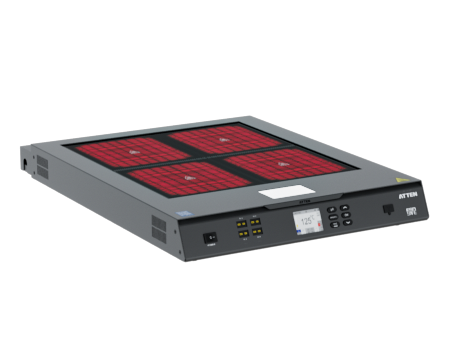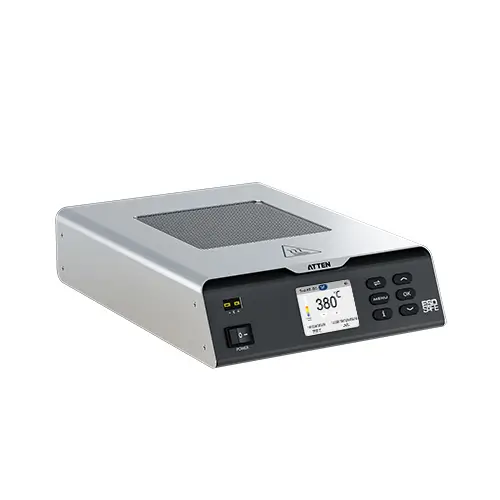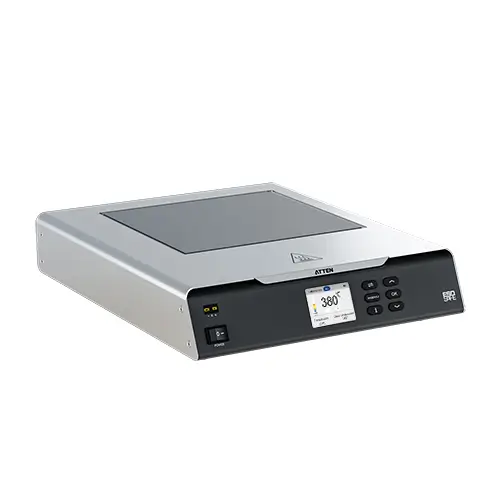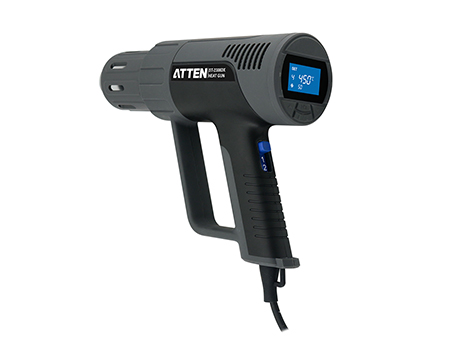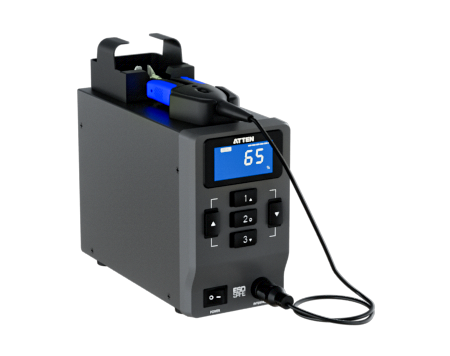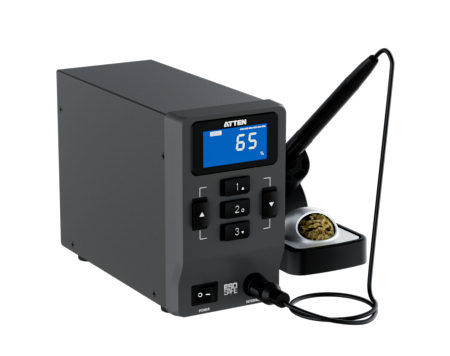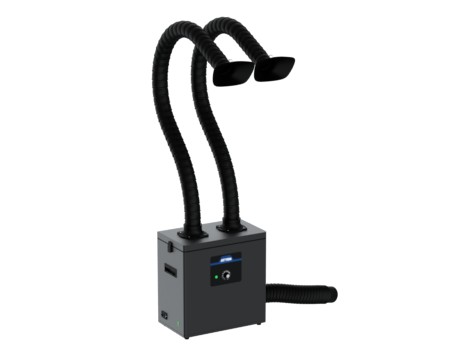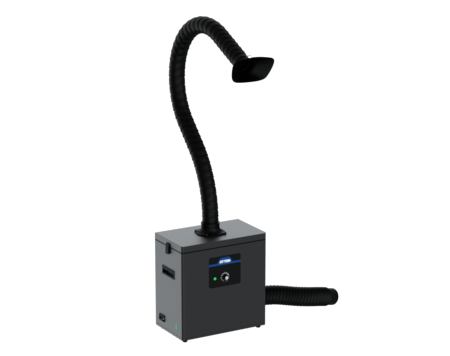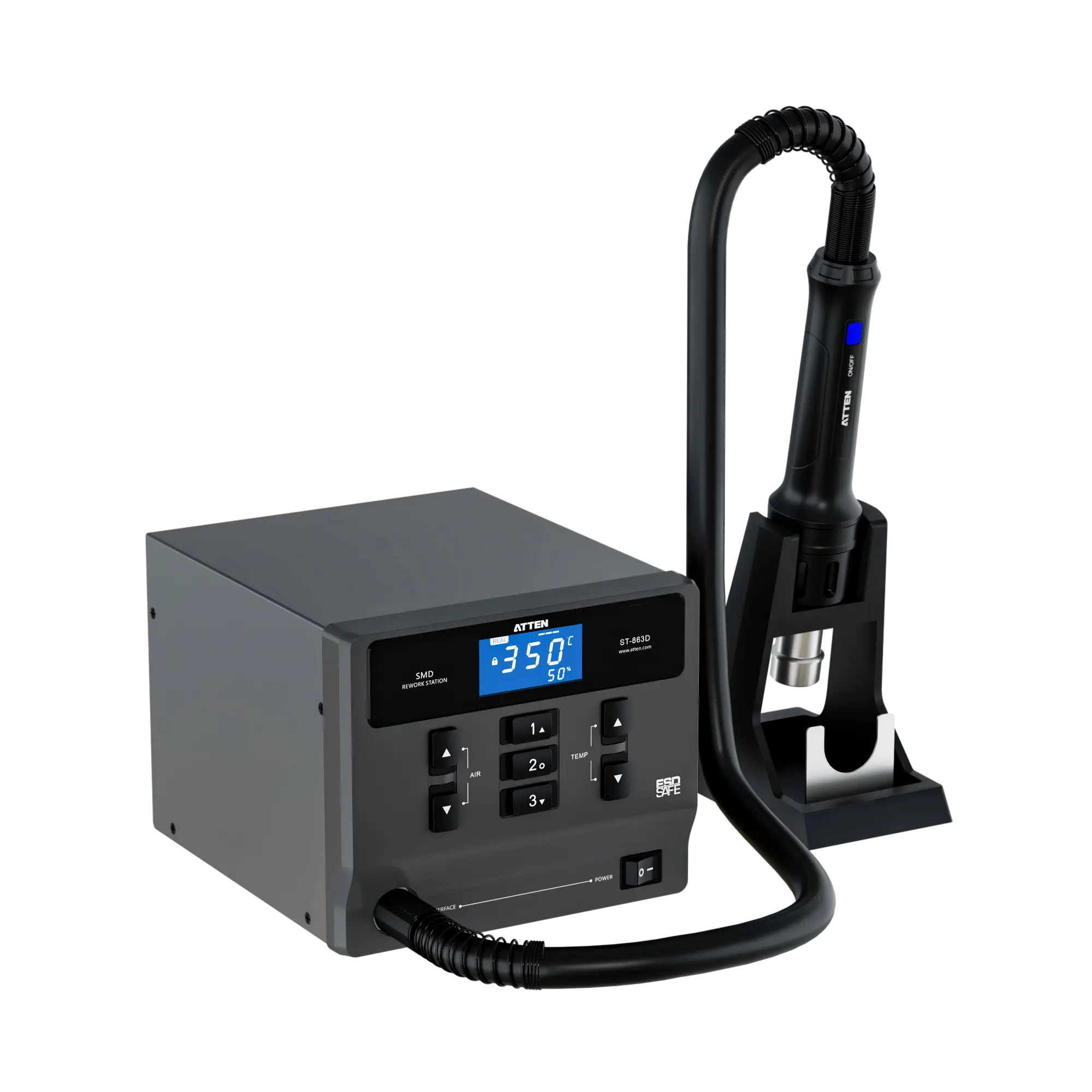
Introduction: Preset wording on a Hot Air Station page helps readers understand repeatable settings without assuming automatic control or verified precision performance.
A phrase such as “Three preset airflows and temperatures” looks simple, but it is easy to overread. For a product feature learner, the useful question is not whether the wording sounds advanced, but what it can safely mean in a B2B workbench context. On the ATTEN ST-863D, the confirmed product identity is Hot Air Station, and the confirmed feature wording is three preset airflows and temperatures. That is enough to understand a practical convenience feature, but not enough to turn the model into an automatic soldering station, a verified intelligent soldering station, or a proven precision temperature system.
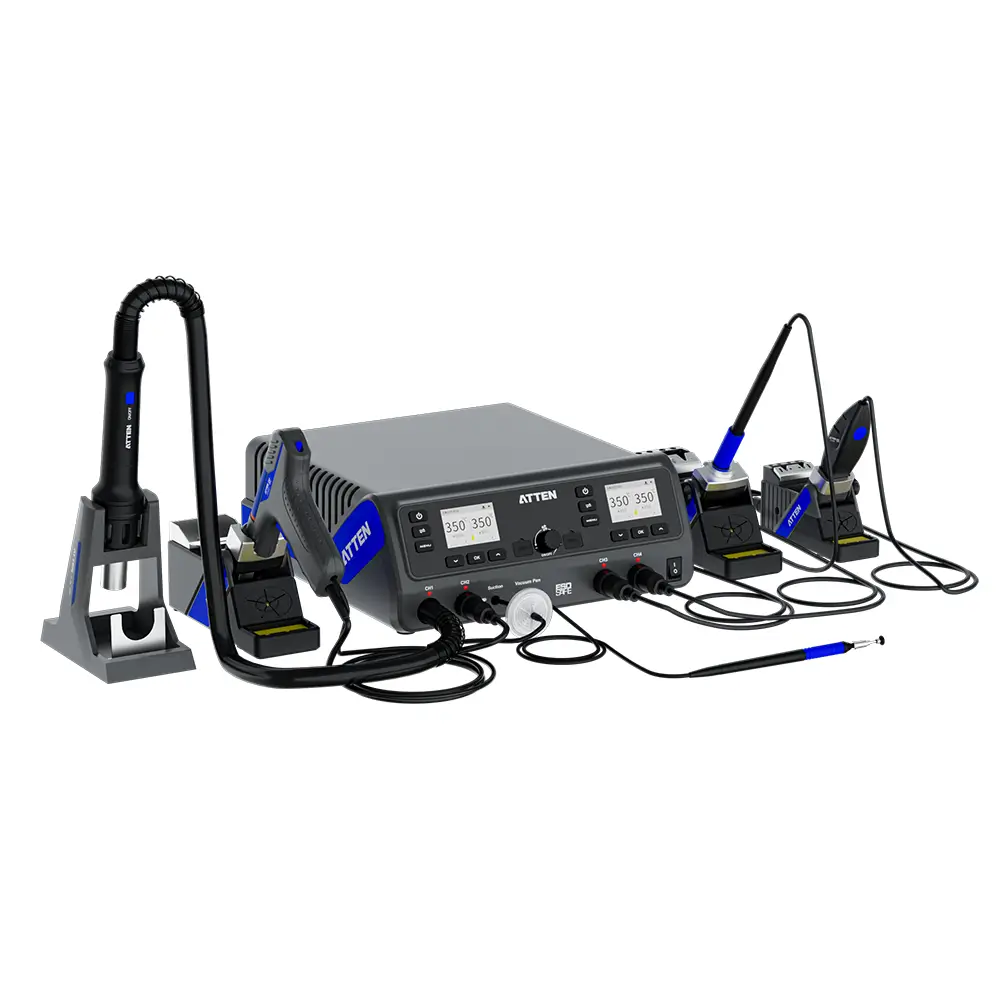
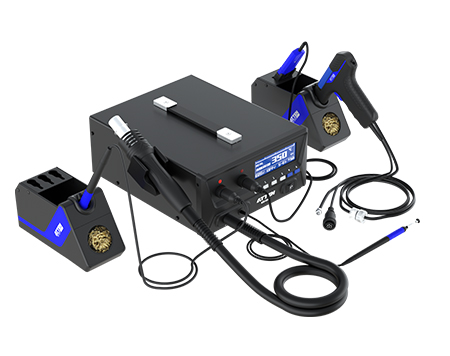
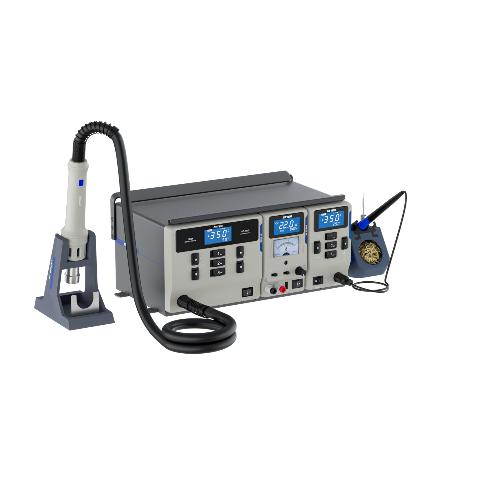
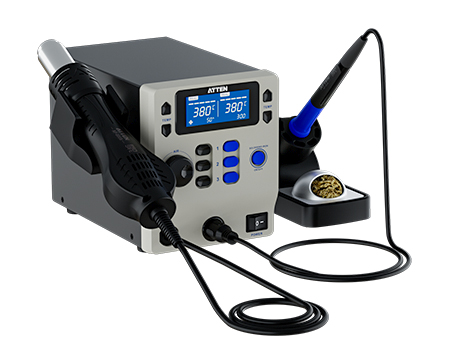
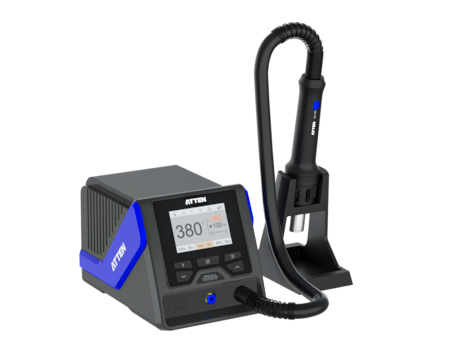
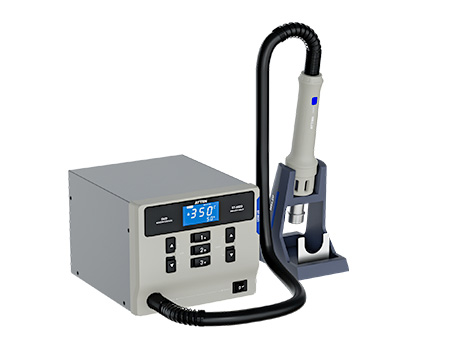
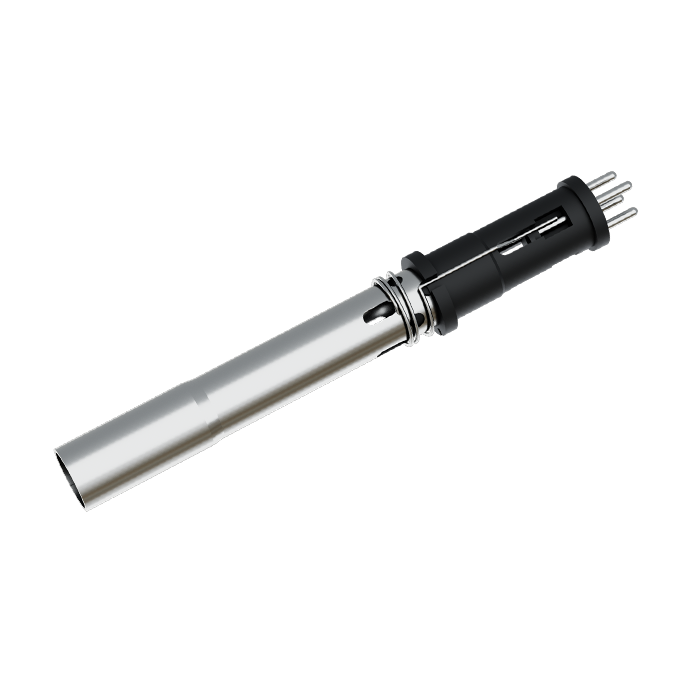
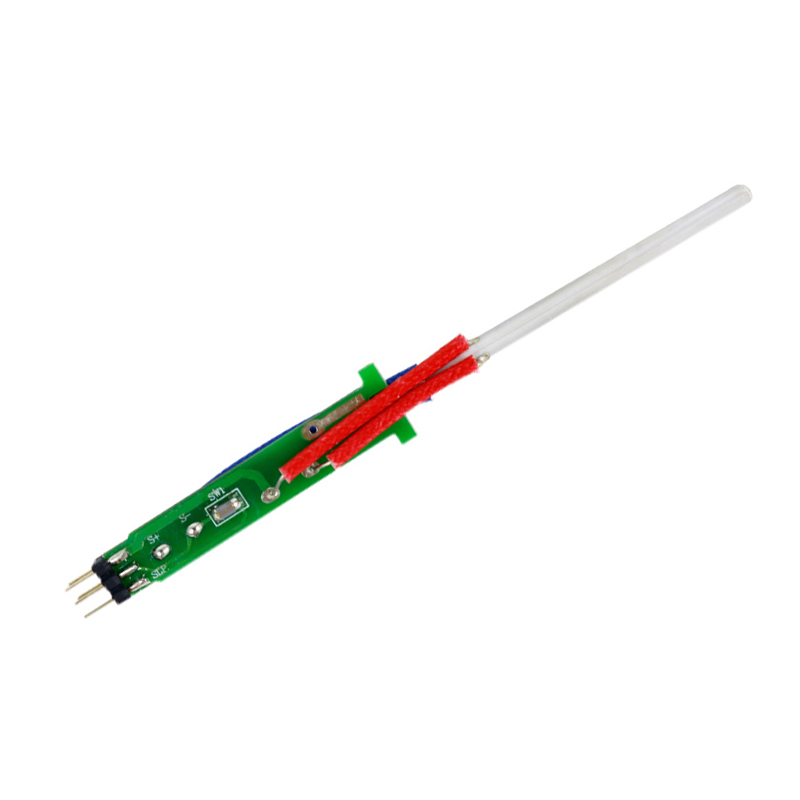
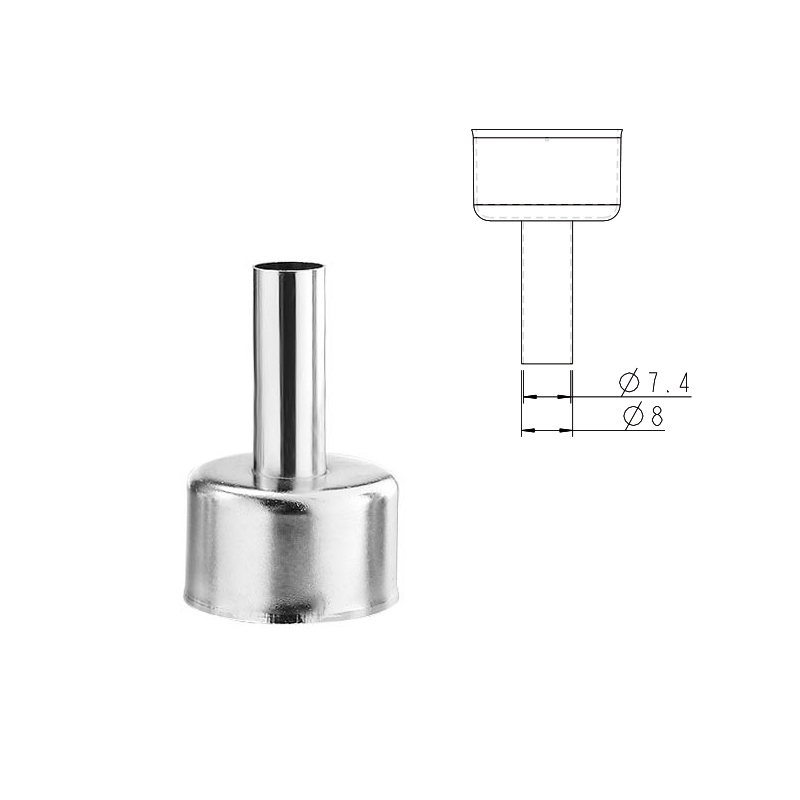
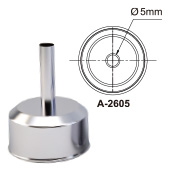
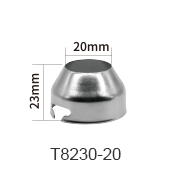
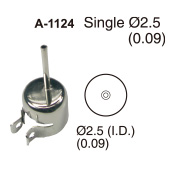
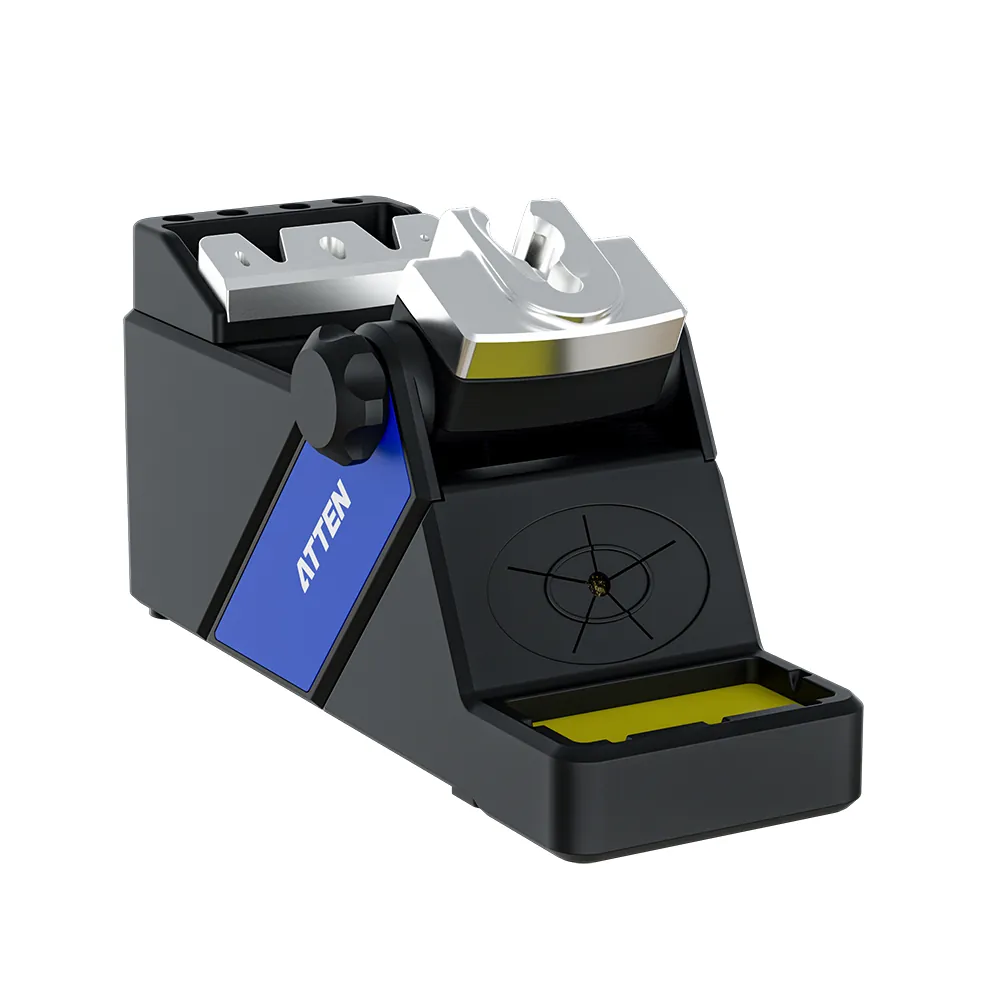
The wording “Three preset airflows and temperatures” communicates that the ST-863D Hot Air Station is presented with three stored or selectable combinations involving airflow and temperature. In plain workbench language, this suggests a user can access several commonly used setting states rather than manually rebuilding every setting from the beginning each time. The important word is “preset,” not “automatic.” A preset is a defined setting option; it does not automatically explain how the equipment senses temperature, compensates under load, changes airflow during a process, or verifies the actual heat delivered at a component or board surface. This distinction matters because product feature wording often compresses several ideas into one short line. “Three” gives the number of available preset groups. “Airflows and temperatures” identifies the two setting dimensions involved. The phrase does not provide the actual temperature values, airflow values, control algorithm, sensor arrangement, tolerance, calibration method, or recovery behavior. For a reader comparing ATTEN Soldering Equipment with broader soldering station terminology, this means the phrase is best read as a usability signal: it points to setting recall or setting organization, not a complete performance claim. The ST-863D entry also identifies the product as an ATTEN Hot Air Station with a visible price of $376.00 and included items such as the main unit, hot air gun, hot air gun holder, power cord, ground wire, nozzles, nozzle converter, manual, and certificate. Those details help place the feature in a real product context, but they do not change the meaning of the preset phrase. Even when a product belongs to a professional workbench equipment lineup from a soldering station manufacturer, each claim still needs to be read at the level of evidence it actually provides. A short feature line can support a practical interpretation, not an expanded technical promise.
In many electronic workbench environments, repeatability starts with reducing unnecessary variation in routine setup behavior. A technician may return to similar airflow and temperature combinations for related heating tasks, and preset access can make that behavior more consistent. This is different from saying the equipment guarantees process results. The value of presets is that they help the user return to known starting points more efficiently. In a B2B setting, that may matter because multiple users, shifts, or work orders can create drift in how settings are selected, named, or remembered. Presets create a shared reference point, while the actual outcome still depends on task requirements, operator judgment, materials, component sensitivity, and verification methods.
Operational repetition is not the same as automation. A preset can support a workbench routine by making common combinations easier to recall, especially when the same Hot Air Station is used across recurring repair, assembly, or rework support tasks. For content readers comparing a hot air station with a soldering station, this is the useful middle ground: the feature can be meaningful without being exaggerated. It may reduce setup friction and support more consistent user behavior, but it should not be described as independently selecting the right process, identifying the component, adjusting to every board condition, or confirming final joint quality.
Calibration and verification remain separate because a preset describes a chosen setting, while verification asks whether the equipment output and the work result meet the required standard for a specific task. Standards-oriented soldering workmanship resources, such as NASA’s soldered electrical connections material, reinforce the broader point that electronic soldering quality depends on defined workmanship, inspection, and process requirements rather than tool wording alone. A hot air station preset can be part of a controlled workbench method, but it is not the method itself. If a reader needs temperature accuracy, airflow range, calibration procedure, or inspection criteria, those details should be confirmed through the manual, full specifications, or applicable internal process documents. The same logic applies to the phrase intelligent soldering station. Some equipment categories use intelligent or programmable language to describe control features, automation, menus, profiles, standby modes, or system-level functions. The ST-863D feature line does not by itself confirm those capabilities. It is more responsible to say that the model includes three preset airflow and temperature settings, while leaving stronger claims open until supported by detailed documentation. That reading protects both technical accuracy and search-intent accuracy: readers can understand the feature without being pushed into a misleading product category.
Preset wording should not be turned into precision claims because the phrase does not define measurement accuracy, stability, ramp behavior, thermal recovery, or process qualification. A preset may store a target or selectable setting, but the actual temperature experienced by a solder joint, component lead, package body, or surrounding board area can be influenced by nozzle geometry, distance, airflow behavior, board mass, ambient conditions, and operator technique. Since the ST-863D summary does not confirm temperature range, airflow range, exact preset values, heating speed, or stability data, those details should not be inferred from the presence of three presets. There is also a category boundary. A Hot Air Station belongs to a workbench equipment context, but it should not be automatically rewritten as a conventional soldering station or an intelligent soldering station. A soldering station often refers to equipment centered on a soldering iron or soldering handpiece, while a hot air station is organized around heated airflow and a hot air gun. A soldering station manufacturer such as ATTEN may offer multiple equipment families, but a single model should still be described by its confirmed classification. For ST-863D, that confirmed classification is Hot Air Station, and the preset phrase should be interpreted inside that category. This conservative reading is especially important for B2B content because overclaiming creates downstream confusion. If a product description states or implies precision temperature control, automatic process control, or verified rework outcomes without confirmed data, readers may assume the device replaces procedure, training, and acceptance criteria. In reality, credible electronic workbench decisions usually separate equipment functions from workmanship requirements, safety standards, documentation, and internal validation. UL’s safety standard context for electric heating appliances is another reminder that equipment claims and certification language should be handled carefully; a feature phrase is not the same as a confirmed safety, compliance, or performance certification. The best reading method is therefore a meaning map: first identify the exact wording, then define the immediate function, then stop before unsupported conclusions. For ST-863D, the immediate function is that three preset airflow and temperature combinations are presented as a feature. The practical benefit is easier return to repeated settings. The boundary is that the phrase does not confirm automatic control, precision accuracy, exact values, process success, certification scope, or intelligent soldering station status. This approach is more useful than either dismissing the feature as meaningless or inflating it into a capability the wording does not prove.
“Three preset airflows and temperatures” is a useful feature phrase when read at the right level. For the ST-863D Hot Air Station, it points to repeatable setting access for airflow and temperature, which can support more consistent workbench behavior. It should not be converted into a promise of automatic control, precision temperature performance, or verified rework quality. Readers evaluating ATTEN Soldering Equipment should keep product page wording, user manual details, technical parameters, and actual process requirements separate. That disciplined reading makes the feature more valuable, not less, because it preserves what is confirmed while leaving room for proper technical confirmation.
Q:Does three preset airflows and temperatures mean automatic control?
A:No. The phrase means the ST-863D is presented with three preset combinations involving airflow and temperature, but it does not by itself confirm automatic process control, sensor-based adjustment, profile execution, or self-correction during a task. It is safer to read the wording as a setting convenience feature unless detailed specifications or the user manual confirm a more advanced control function.
Q:Can preset settings improve repeatability on a hot air station?
A:Yes, preset settings can support repeatability by helping users return to the same starting combinations more consistently. That can reduce manual setup variation in repeated workbench routines. However, repeatability of selected settings is not the same as verified thermal accuracy or guaranteed rework results, which still depend on equipment specifications, operator technique, materials, inspection criteria, and process validation.
Q:Does this wording make ST-863D an intelligent soldering station?
A:No. The wording does not confirm that ST-863D is an intelligent soldering station. The confirmed category is Hot Air Station, and the confirmed feature is three preset airflows and temperatures. “Intelligent” should only be used as a verified product attribute when supported by clear documentation about control functions, automation, software logic, or related system capabilities.
SOLDERED ELECTRICAL CONNECTIONS | NASA Standards
UL 2166 | UL Standards and Engagement

Copyright © 2025 SHENZHEN ATTEN TECHNOLOGY CO., LTD All Reserved.